AccommodationsGuru
← Back to Home

Where to Stay in Japan

Japan offers one of the most organized and varied accommodation landscapes in the world, combining major city hotels, compact business stays, ryokan traditions, and highly efficient transport-linked districts. Choosing where to stay in Japan often depends on rail access, neighborhood atmosphere, room size expectations, and whether the trip prioritizes food, culture, shopping, or day trips. Tokyo and Osaka work well for energy and connectivity, Kyoto is stronger for heritage travel, while Yokohama and Sendai can provide different pace and value. This guide explains the best places to stay in Japan and how to compare city accommodation based on convenience, comfort, and itinerary logic.

Tokyo

Tokyo

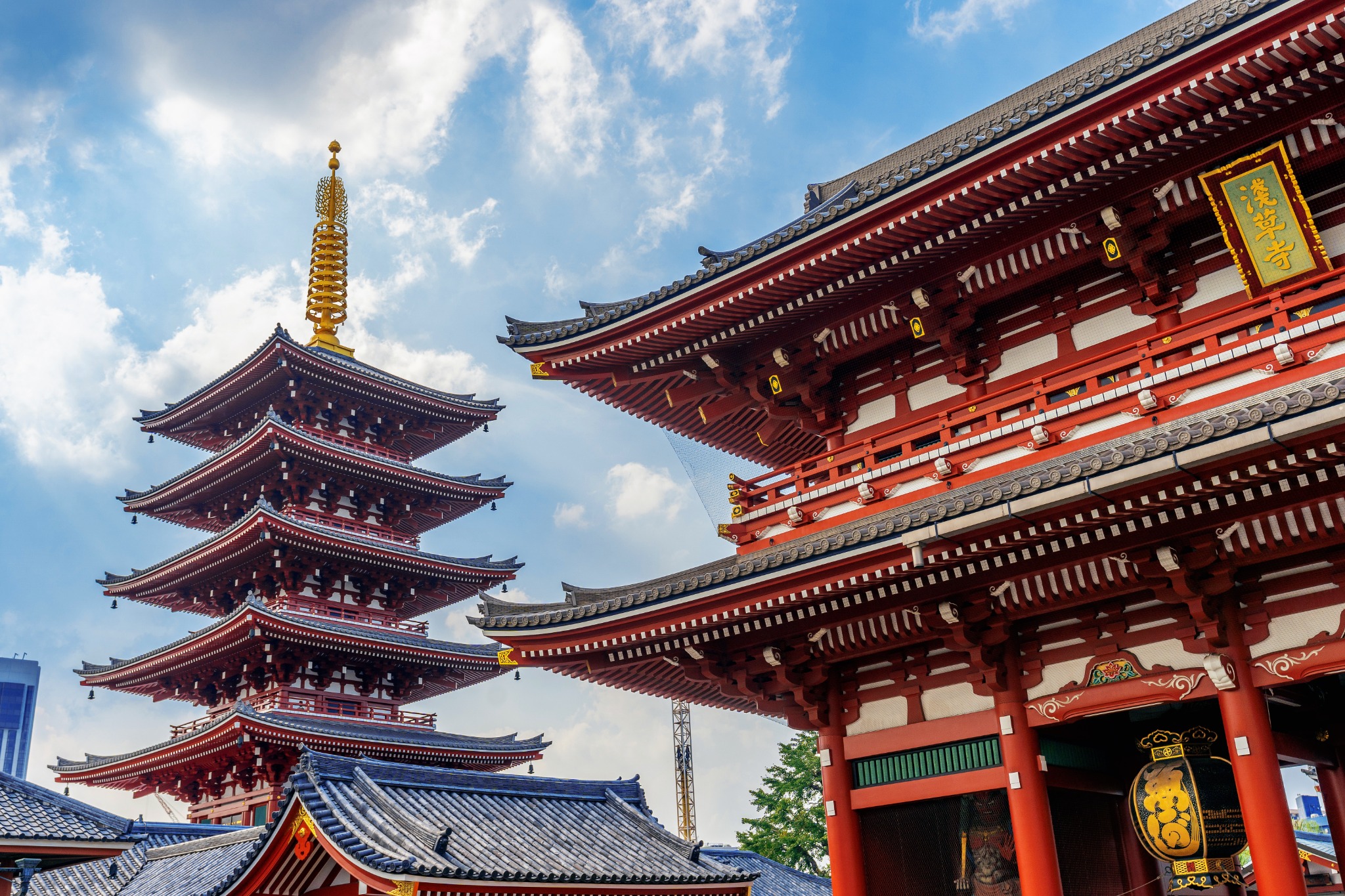
Tokyo is one of the best places to stay in Japan for travelers who want maximum transport access, food variety, shopping, and neighborhood choice. The city is vast, so selecting the right base is essential: some districts are better for first-time sightseeing, others for nightlife, business, or easy airport links. Hotels range from luxury towers and lifestyle properties to compact business accommodation designed for efficiency. Because daily movement can be time-consuming, travelers usually benefit from staying near strong rail connections. Accommodation in Tokyo is ideal for visitors who value convenience, pace, and a broad range of hotel categories.
Kyoto

Kyoto

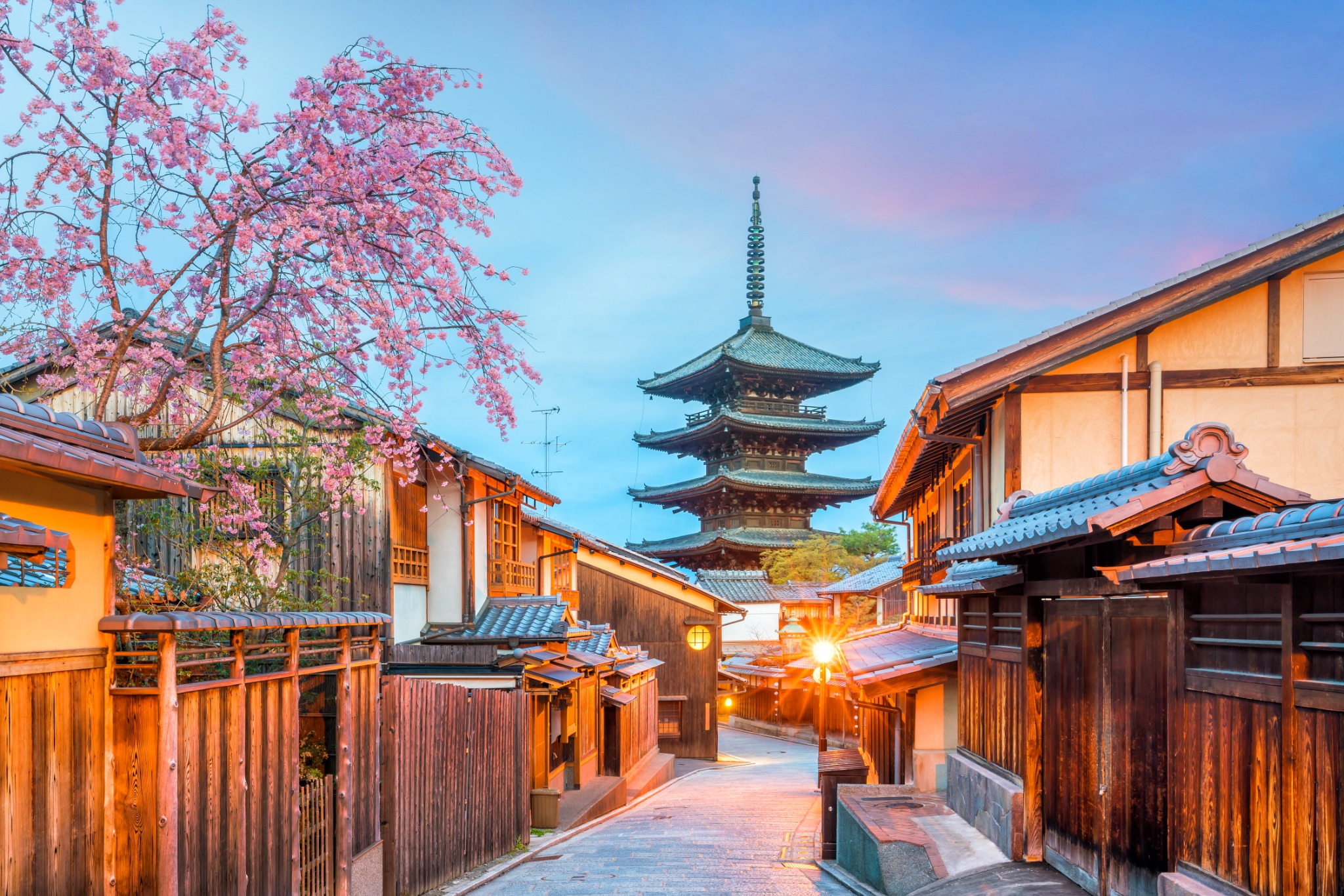
Kyoto is the leading choice for travelers who want heritage, temples, traditional streets, and a more atmospheric stay experience in Japan. Neighborhood selection matters because some areas are better for walking access to old districts and evening dining, while others work better for station convenience and day trips. The city also offers more opportunities for ryokan-style stays and smaller boutique properties than many modern urban centers. Accommodation in Kyoto is especially attractive for couples, culture-focused travelers, and first-time visitors seeking a classic image of Japan with a calmer rhythm than Tokyo or Osaka.

Osaka

Osaka

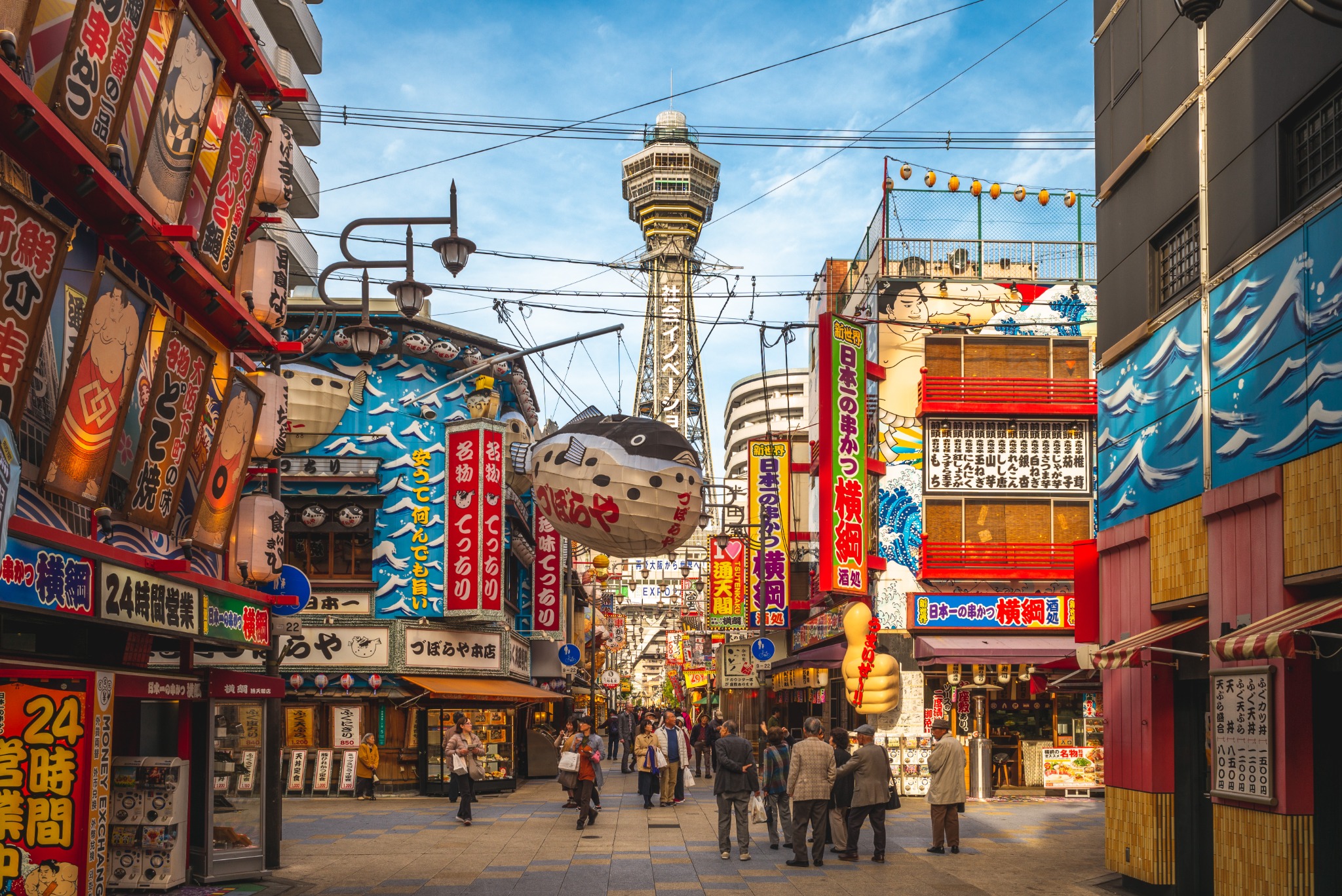
Osaka is a strong accommodation base for travelers who want food culture, nightlife, efficient transport, and easier access to the wider Kansai region. Compared with some other major Japanese cities, it often feels more informal and can provide good value relative to location and convenience. Staying near major station areas or lively central districts helps visitors move quickly between restaurants, shopping, entertainment, and day-trip routes. Hotels in Osaka suit first-time visitors, groups, and travelers building multi-city itineraries, making it one of the most practical places to stay in Japan for flexible, well-connected travel.

Yokohama

Yokohama

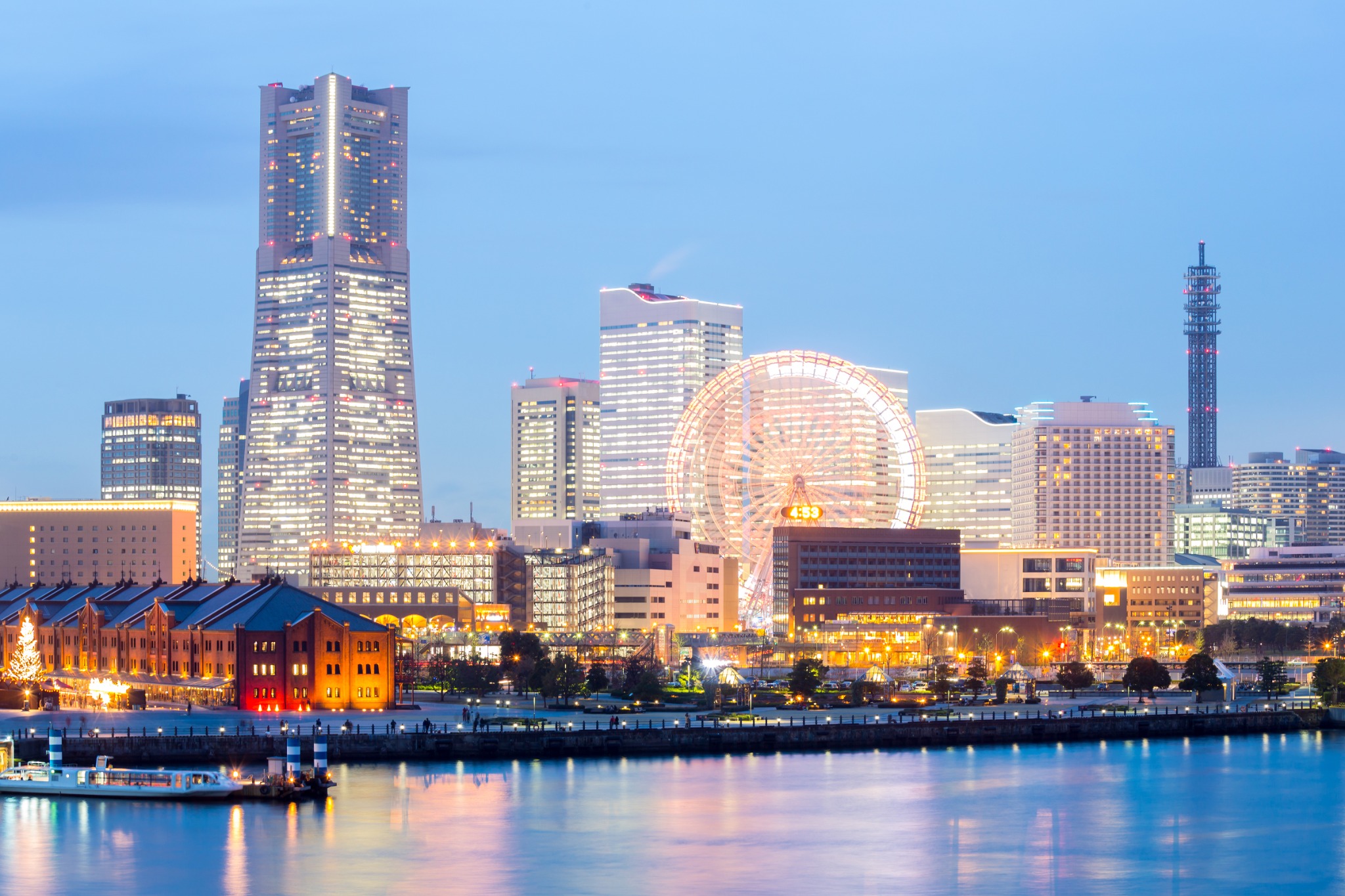
Yokohama offers a waterfront city experience with strong transport links and a slightly more relaxed pace than central Tokyo, which makes it appealing for travelers who want comfort without constant intensity. The city has modern hotels, bay-view stays, and business-friendly accommodation that can work well for both leisure and short stopovers. It is particularly attractive for visitors who plan time in the Tokyo area but prefer a base with more space and a different atmosphere. Accommodation in Yokohama suits couples, business travelers, and guests looking for a polished urban stay with easy regional access.

Sendai

Sendai

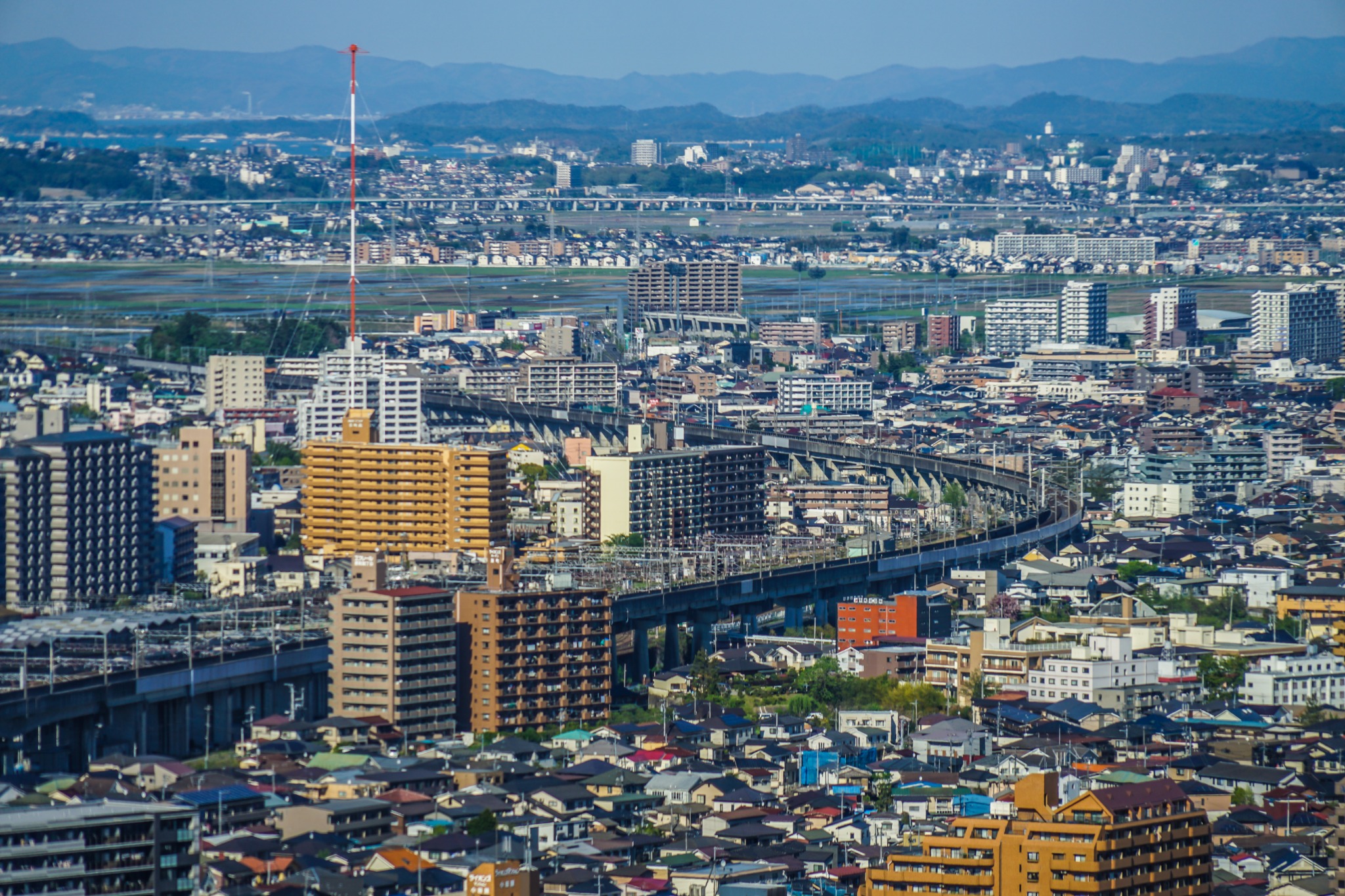
Sendai is a smart option for travelers seeking a calmer, more spacious city stay in Japan with good transport infrastructure and lower pressure than the country's largest tourism hubs. It works well as a regional base for northern itineraries, seasonal travel, and visitors who prefer practical hotel choices over heavily crowded destinations. Central areas provide straightforward access to rail, shopping, and dining, while the overall city rhythm feels more manageable for longer stays. Accommodation in Sendai is often chosen for convenience, value, and balanced urban comfort rather than purely iconic sightseeing.

From fast-moving urban hotel districts to culturally rich historic areas, Japan gives travelers a well-structured but highly location-sensitive accommodation experience. The best place to stay in Japan depends on rail connectivity, neighborhood scale, room style, and how much time you want to spend moving between attractions. Use this guide to compare the top cities in Japan, understand how accommodation differs by destination, and choose a stay that supports efficient travel, better comfort, and a stronger overall experience.